Get Grease Trap Installation
Local contractors can install grease traps to prevent plumbing clogs, odors, and backups in commercial kitchens, restaurants, and foodservice facilities.
Grease trap installation is an essential service for many property owners looking to maintain efficient and compliant kitchen operations. Whether managing a restaurant, commercial kitchen, or food service facility, proper installation can help prevent plumbing issues, reduce odors, and ensure smooth wastewater management. If you're exploring options for your property, you're in the right place to find local contractors experienced in designing and installing grease traps tailored to your specific needs. Continuing to read can help you compare available services and identify the professionals best suited for your project.
Choosing the right provider for grease trap installation involves understanding the practical benefits and ensuring the work aligns with your property's requirements. Local service providers can offer insights into the best solutions for your space, helping you plan a project that meets regulatory standards and operational demands. Keep reading to discover how to connect with experienced contractors in your area who can assist with planning and executing this important upgrade efficiently.
- Commercial kitchens - businesses requiring proper grease trap installation to comply with health regulations and prevent plumbing issues.
- Food service establishments - restaurants and cafes needing efficient grease trap systems to manage kitchen waste effectively.
- Industrial facilities - factories and processing plants that generate significant grease waste requiring specialized installation.
- Apartment complexes - multi-unit residential buildings that need grease traps to maintain plumbing infrastructure.
- Catering services - mobile and event-based food providers seeking reliable grease trap setup for temporary or permanent kitchens.
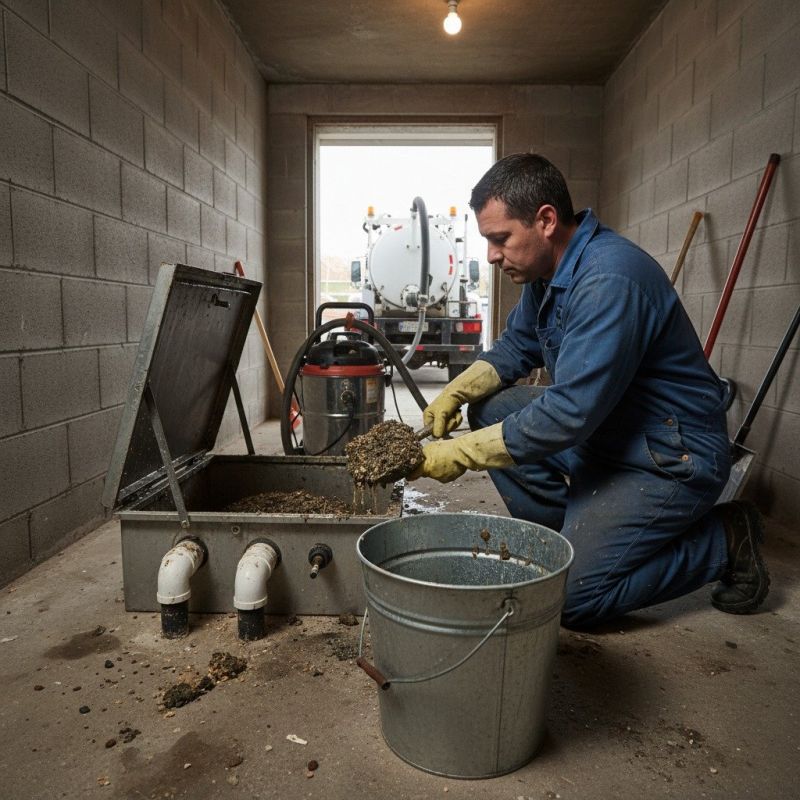
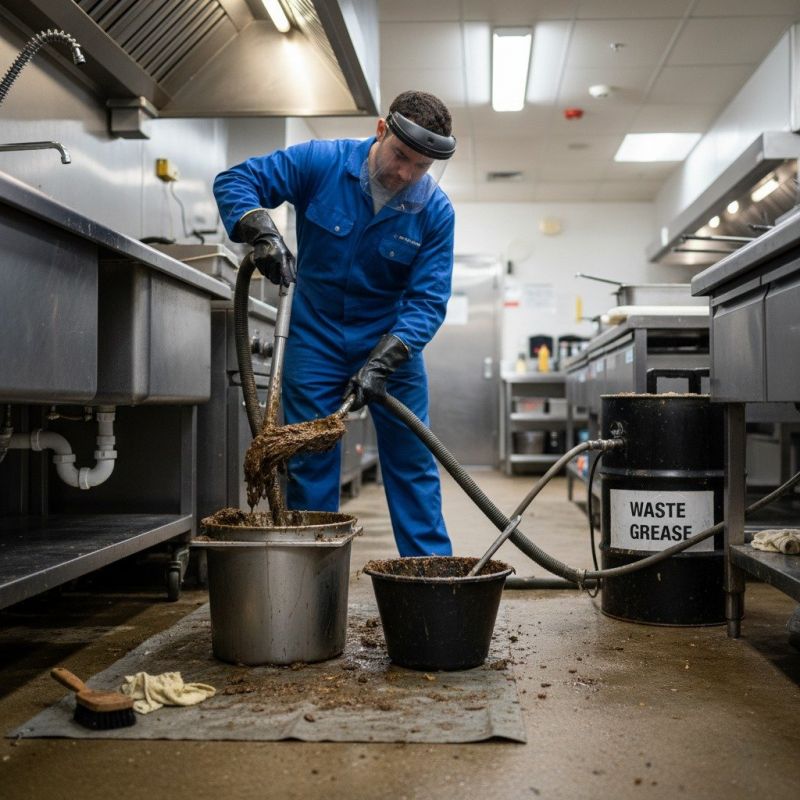
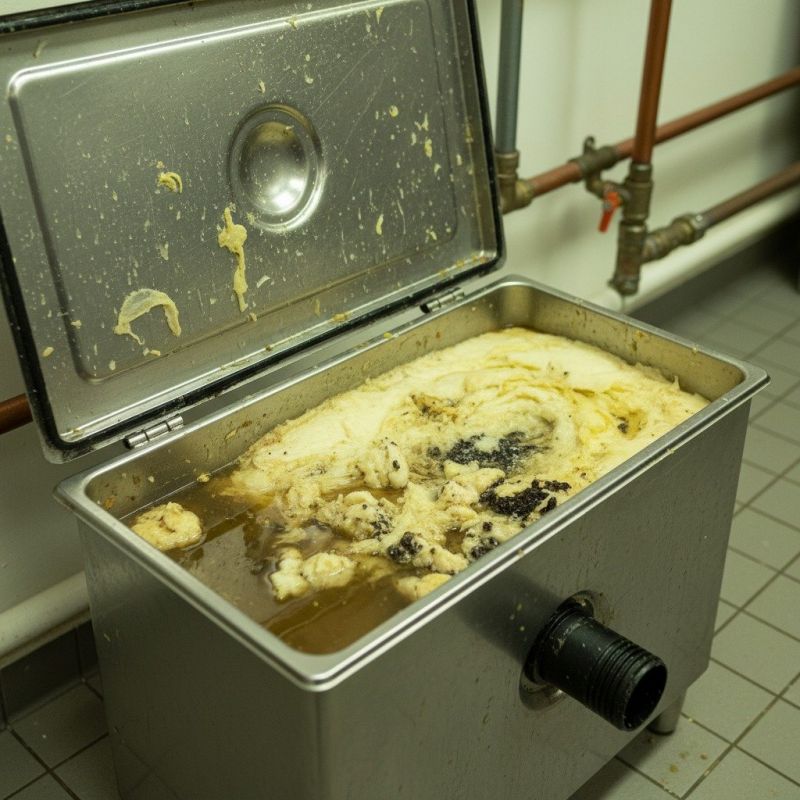
Grease trap installation involves placing a specialized device in the plumbing system of a property to intercept fats, oils, and grease (FOG) before they enter the wastewater system. This process typically includes assessing the property's plumbing layout, selecting an appropriately sized trap, and securely installing the unit to ensure proper function. Proper installation is essential to prevent blockages, reduce odors, and maintain the overall health of the plumbing system. Experienced local contractors can handle all aspects of the installation, ensuring the trap is correctly positioned and functioning effectively.
Installing a grease trap addresses common problems such as clogged drains, foul odors, and costly plumbing backups caused by the buildup of FOG. Without a proper trap, grease can solidify within pipes, leading to slow drains or complete blockages that disrupt daily operations. For properties that generate significant amounts of grease-such as restaurants, cafes, or commercial kitchens-regularly maintaining and installing effective grease traps is crucial to avoiding plumbing emergencies and ensuring compliance with local regulations.
Properties that typically require grease trap installation include commercial kitchens, restaurants, cafeterias, and food processing facilities. However, some residential properties with large-scale food preparation areas or home-based food businesses may also need these systems. Any property where cooking fats and oils are disposed of down the drain can benefit from professional installation to prevent plumbing issues and maintain a smooth, trouble-free operation.
Local service providers specializing in grease trap installation are equipped to handle projects of various sizes and complexities. They can evaluate the specific needs of a property, recommend suitable trap sizes, and perform the installation efficiently. Connecting with experienced contractors ensures that the grease trap system is properly integrated into the existing plumbing, helping property owners avoid future problems and maintain compliance with local waste management standards.
The overview below groups typical Grease Trap Installation projects into broad ranges so you can see how smaller, mid-sized, and larger jobs often compare in your area.
In many markets, a large share of routine jobs stays in the lower and middle ranges, while only a smaller percentage of projects moves into the highest bands when the work is more complex or site conditions are harder than average.
Smaller Repairs - Typical costs for minor grease trap repairs or maintenance range from $250 to $600. Many routine jobs fall within this middle range, depending on the specific work needed. Fewer projects reach the higher end of this spectrum.
Standard Installation - Installing a new grease trap for a standard commercial setup usually costs between $1,000 and $3,000. Local contractors often handle these projects within this range, with larger or more complex installations potentially exceeding $3,500.
Full Replacement - Replacing an existing grease trap can cost from $2,500 to $5,000 or more, especially for larger or custom systems. Many projects land in the middle of this range, while larger facilities may push into the higher tiers.
Complex or Large-Scale Projects - Larger, more complex grease trap installations or replacements can reach $5,000+ depending on scope and site conditions. These projects are less common and typically involve specialized equipment or extensive site work.
Actual totals will depend on details like access to the work area, the scope of the project, and the materials selected, so use these as general starting points rather than exact figures.
Septic Tank Installation - professionals skilled in underground tank setup and plumbing are often experienced in installing grease traps with similar site preparation and drainage planning.
Commercial Plumbing Services - local contractors providing commercial plumbing handle complex piping systems that are comparable to the installation of grease traps in various settings.
Drainage System Installation - experts in designing and installing drainage solutions are familiar with managing waste flow and ensuring proper sanitation, similar to grease trap setup.
Wastewater Management Projects - specialists working on wastewater systems have expertise in handling waste separation and treatment equipment like grease traps.
Kitchen Plumbing Renovations - contractors involved in kitchen upgrades often install or modify grease interceptors as part of their work on commercial kitchen plumbing.
Stormwater Drainage Installation - providers experienced in stormwater systems share skills in underground piping, planning, and site excavation relevant to grease trap installation.
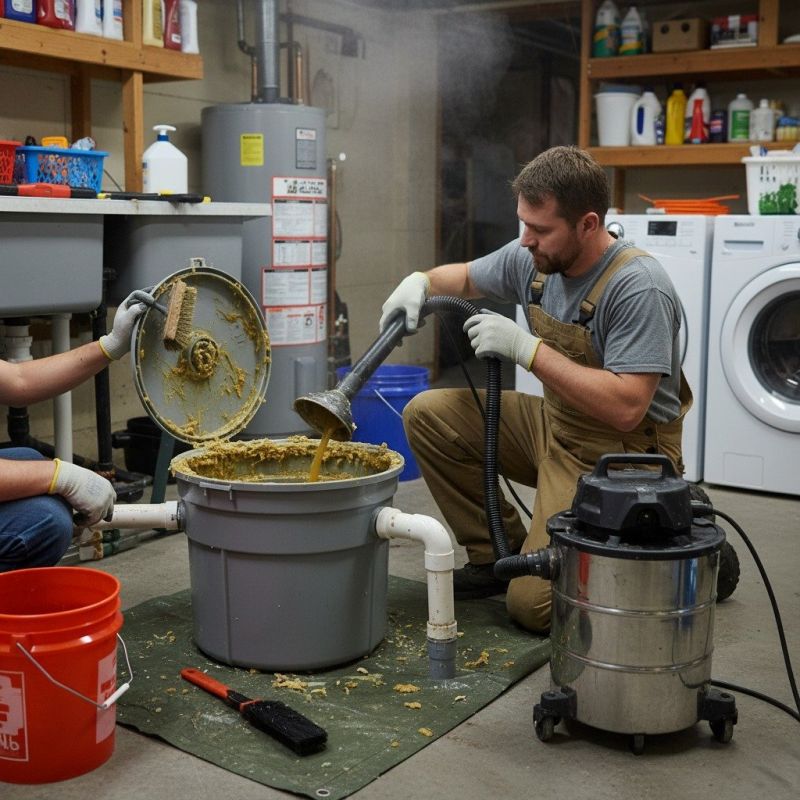
When comparing service providers for grease trap installation, it’s important to evaluate their experience with similar projects. Homeowners should look for local contractors who have a proven track record of successfully handling grease trap installations in settings comparable to their own. Asking about past projects can provide insight into their familiarity with specific requirements and challenges, helping to ensure the chosen professional has the relevant expertise to complete the work effectively.
Clear written expectations are essential for a smooth installation process. Homeowners should seek out providers who can offer detailed descriptions of the scope of work, materials to be used, and any specific steps involved. Having a well-defined plan helps prevent misunderstandings and ensures that both parties are aligned on the project’s goals. When reviewing options, it’s beneficial to request documentation or written estimates that outline these expectations before any work begins.
Reputable references and good communication practices are key indicators of a reliable service provider. Homeowners can ask for contact information of previous clients or read reviews to gauge the quality of past work. Additionally, choosing local contractors who respond promptly and clearly to questions can make the entire process more straightforward. Good communication fosters transparency and confidence, making it easier to address any concerns that may arise during the project. It’s worth noting that the site introduces homeowners to local options but does not perform the work itself.
Property owners use Grease Trap Installation services for practical projects around their homes and businesses. This guide focuses on everyday jobs and straightforward project options.
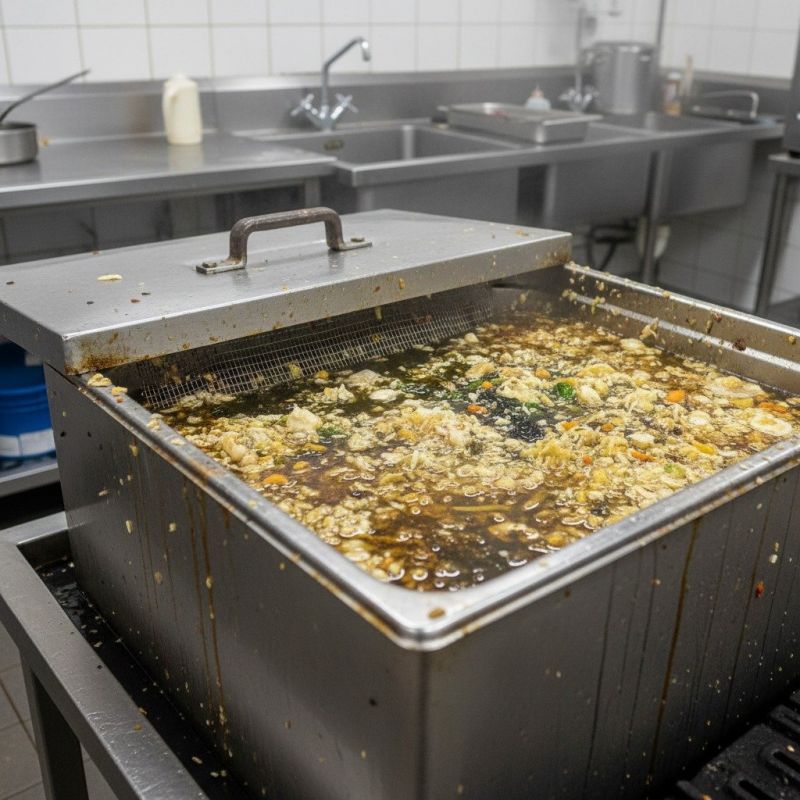
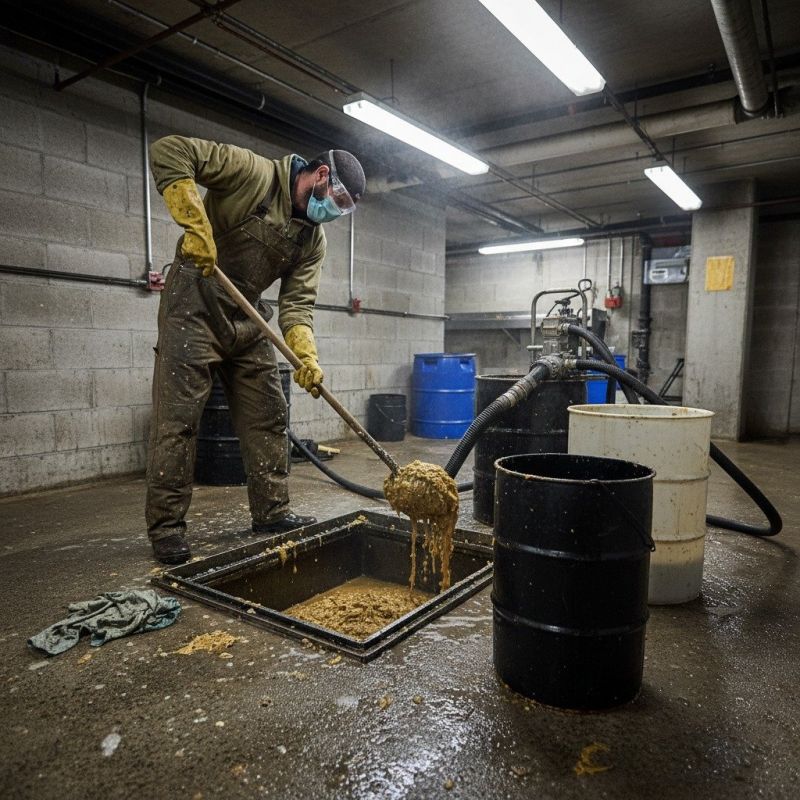
Grease trap installation is a common need for property owners operating restaurants, cafes, or foodservice establishments in the area. When grease buildup begins to cause plumbing issues or foul odors, many look for local contractors who can install or upgrade grease traps to ensure proper waste management. These projects often arise from routine maintenance or the need to meet health and safety regulations, prompting property owners to seek experienced service providers familiar with local codes and standards.
In addition, property owners managing commercial kitchens or food production facilities might consider grease trap installation when expanding their operations or upgrading existing infrastructure. Properly installed grease traps help prevent plumbing backups and environmental concerns, making them a practical solution for maintaining smooth operations. Local contractors specializing in this work can assist with the installation process, offering solutions tailored to the specific needs of each property.
What is involved in grease trap installation? Grease trap installation typically includes assessing the site, selecting the appropriate size, and properly installing the unit to ensure effective grease separation and compliance with local regulations.
Why should I hire a professional for grease trap installation? Professional contractors have the experience and knowledge to install grease traps correctly, helping to prevent issues like blockages, odors, and potential code violations.
What types of grease traps are available for installation? There are various types of grease traps, including passive, automatic, and gravity-fed units, which can be selected based on the specific needs of the property and kitchen setup.
How do local service providers ensure proper grease trap installation? Local contractors follow industry standards and best practices during installation to ensure the grease trap functions properly and meets local health and safety requirements.
Can a grease trap be installed in different types of buildings? Yes, grease traps can be installed in a variety of settings such as restaurants, cafeterias, and commercial kitchens, with the installation tailored to the building’s plumbing system and usage.
Grease Trap Installation for Restaurants - Ensures proper waste management for commercial kitchens to meet local regulations and prevent plumbing issues.
Commercial Property Maintenance - Helps property owners maintain compliance and avoid costly cleanup by installing effective grease traps.
Food Service Facility Upgrades - Supports restaurant renovations or expansions by adding new grease traps to handle increased waste flow.
Environmental Compliance Solutions - Assists businesses in adhering to waste disposal standards through professional grease trap installation services.
If you are thinking about Grease Trap Installation for a property, this guide is meant to help you understand the work, the typical project types, and how different options might fit your plans.
When you are ready, you can use the quote form on this page to share a few details about your project. From there, local pros can review the basics and respond with options that match what you have in mind.